
 EN
EN Turkish
Teledyne DALSA
Teledyne DALSA
Industrial Vision Solutions

High Performance | Innovative | Proven | Smart Robust | Cost Effective
- Teledyne Imaging designs, engineers, and manufactures digital imaging components, software, and sub-systems serving a global marketplace, across dozens of business segments, and hundreds of applications.
- Our imaging technology begins with the visible spectrum, and extends far beyond it, from deep infrared through extreme UV and all the way to X-ray frequencies.
- Our products define the top end of performance in the world’s most demanding digital imaging applications.

2D Area Scan Cameras
For Visible Light / NIR Spectrum
- Teledyne Imaging area scan cameras are based on the industry’s most innovative image sensor technology from manufacturers including Sony®, On Semiconductor® and of course our own Teledyne imagers.
- Teledyne Imaging area scan cameras offers support for a variety of interfaces, such as GigE Vision (1 to 5 GigE), USB3, Camera Link, Camera Link HS, and CoaXPress, to allow seamless integration with virtually any imaging system.

- From cost-efficient board level cameras to full-featured high performance cameras, Teledyne Imaging provides a broad and deep area scan camera portfolio to meet the challenges of today’s imaging applications.

Z-Trak: 3D Profile Sensor for In-Line Inspections
- The Z-Trak™ 3D profile sensors use laser triangulation to deliver high-resolution, real-time height measurements, providing reliable and repeatable results in varying operating conditions.
- Models handle object widths from 8.5 mm to 1520 mm and height ranges of 4 mm to 1100 mm.
- All Z-Trak models are factory calibrated and offered with either a blue or red eye-safe laser (Class 2M or 3R) to suit the surface reflectance and operating environment.
- These GigE Vision compliant lightweight IP67 rated profile sensors support Power-Over-Ethernet (POE) to simplify factory wiring and lower cost.
Z-Trak2
- The new Z-Trak2 Series ushers in a new era of 3D profile sensors for high-speed 3D applications.
- These models deliver scan speeds up to 45 kHz combined with a suite of powerful features needed for in-line real-time height measurements for defect detection, identification, and guidance in electronics, semiconductor, automotive and factory automation markets segments.

FEATURES
- S-Series: 2048 points/profile at 45 kHz using 5GigE interface • V-Series: 2048 points/profile at 10 kHz using 1GigE interface
- Unified Measurement Space for circular and linear sensor configurations
- Built-in reflection detection algorithms to handle highly reflective surfaces
- Multi-Sensor Synchronization using single, low cost setup

Xtium™2 Family
Image Acquisition and Processing Boards for PCle Gen3 Platform
- Designed for industrial and biomedical imaging applications, Teledyne DALSA’s image capture cards deliver industry-leading performance and reliability on Microsoft and Linux platforms.
- From standard off-the-shelf products for low-cost high-volume applications to semicustom or bespoke models with real-time embedded processing, Teledyne DALSA has a frame grabbers solution for you.
- Teledyne DALSA is committed to supporting both third party and in-house cameras.
- This continually growing list of supported cameras includes hundreds of different camera models from a number of major machine vision camera vendors.
- Teledyne DALSA’s Xtium2 series features PCIe Gen3 x8 platform and supports CoaXPress® 2.x (CXP12) and AIA’s Camera Link HS® (CLHS).
- The Xtium series features the PCIe Gen2 x4/x8 platform and supports AIA’s Camera Link®, CLHS, and CXP interfaces.


CLHS PX8 Series
- Image Acquisition:7 lanes of 10.3 Gbps; 8.4 GB/s
- Data Forwarding: 7 lanes of 10.3 Gbps; 8.4 GB/s allows distributed processing
- Host Transfer: 6.8 GB/s with zero CPU overhead
- Protocol Efficiency: 64/66-bit encoding delivers 97% efficiency
- Single Cable: Fiber cable (AOC) delivers longer length at max. camera rate
- 3 Models to balance price and performance needs
CLHS FX8 Series
- Multi-Camera Support: 1x4-lane, 2x2-lane, 1x4-lane or 1x2-lane with 2x1-lane
- SFP+ Industry Standard Interface: Cable length up to 300 m
- Image Acquisition: 4 CLHS lanes of 10.3 Gbps; 4.8 GB/s
- Protocol Efficiency: 64/66-bit encoding delivers 97% efficiency
- Data Forwarding: 2-lanes at max. camera rate allows distributed processing
- Host Transfer: 6.8 GB/s with zero CPU overhead
- 2 Models to balance price and performance needs
CXP12 Series
- PCI Express Gen3 x8 platform
- CXP 2.0—supports CXP operations at 12.5, 6.25, 5, 3.125, 2.5 and 1.0 Gbps
- Image acquisition up to 4.8 GB/s; host transfers up to 6.8 GB/s
- Multi-Camera Support: 1x4-ch, 2x2-ch, 4x1-ch or 1x2-ch with 2x1-ch
- Combined operations with CXP ver. 2.x and 1.x cameras
- Power over CXP (PoCXP)
Blog Posts
Thermal Camera Selection
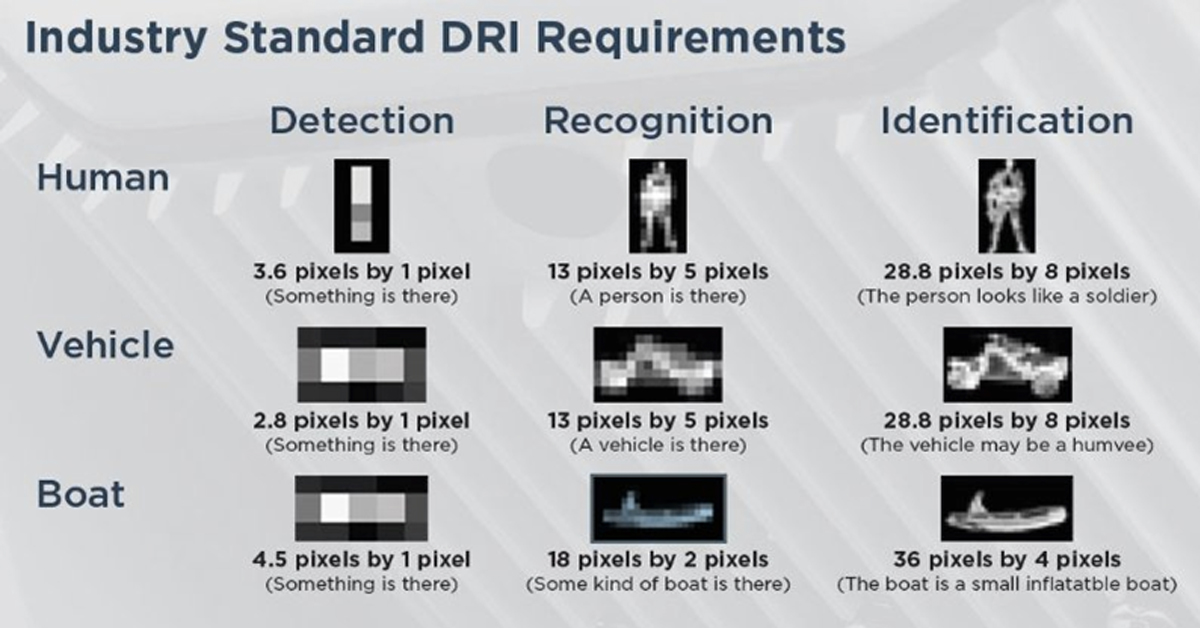
How Far Can I See?
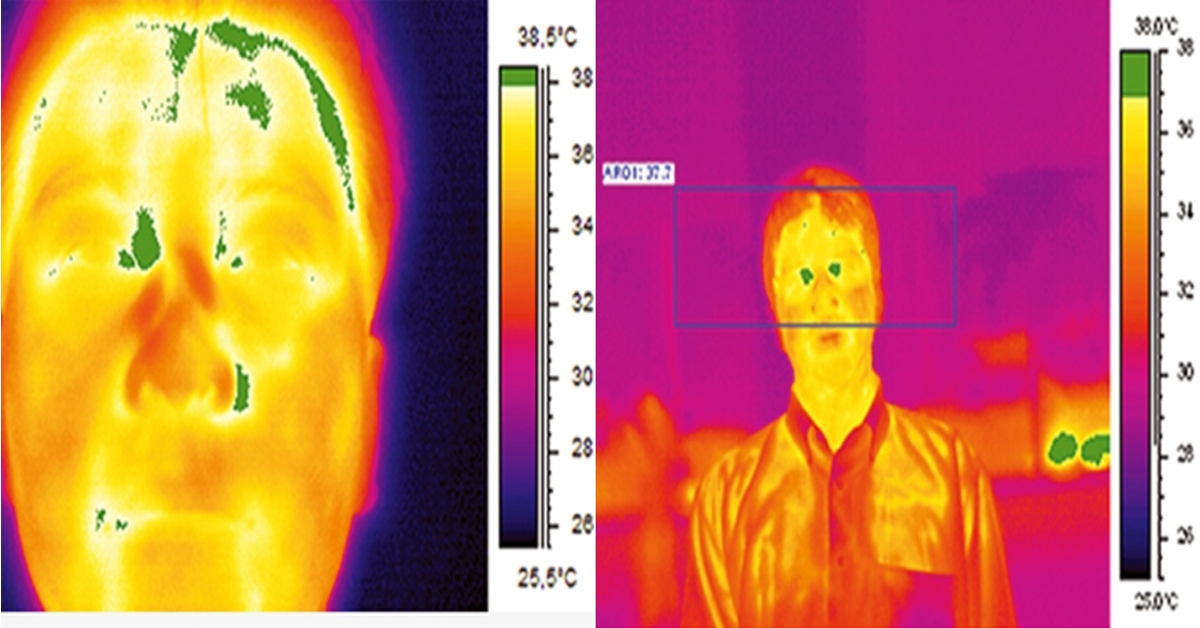
How Should Human Temperature Be Measured?
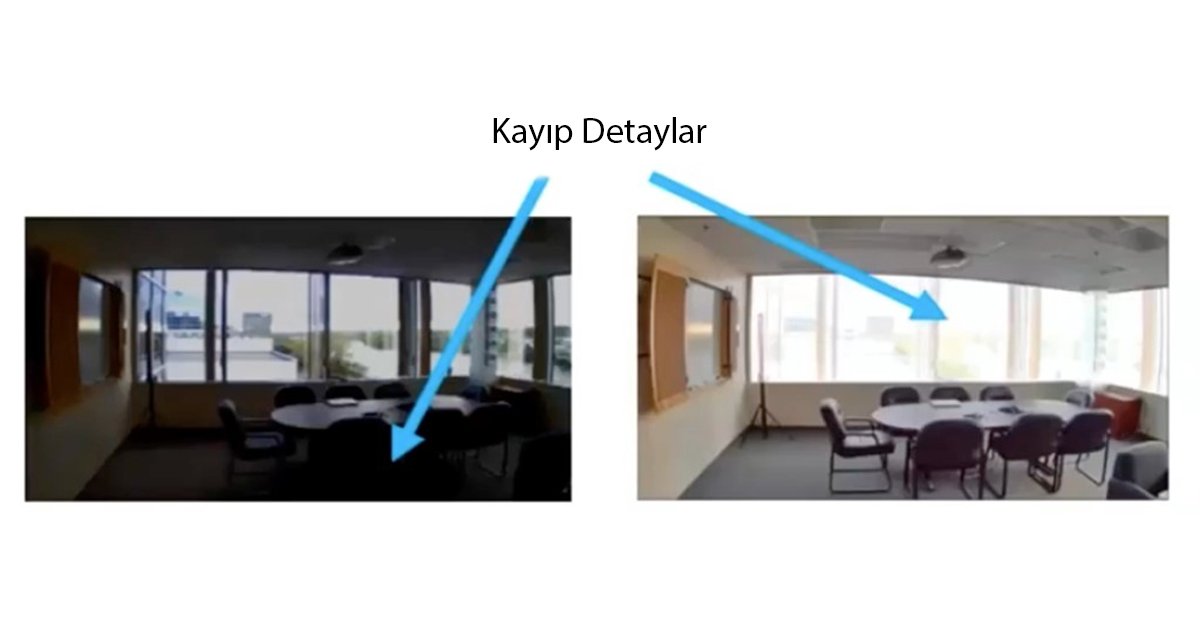
What is Wide Dynamic Range?
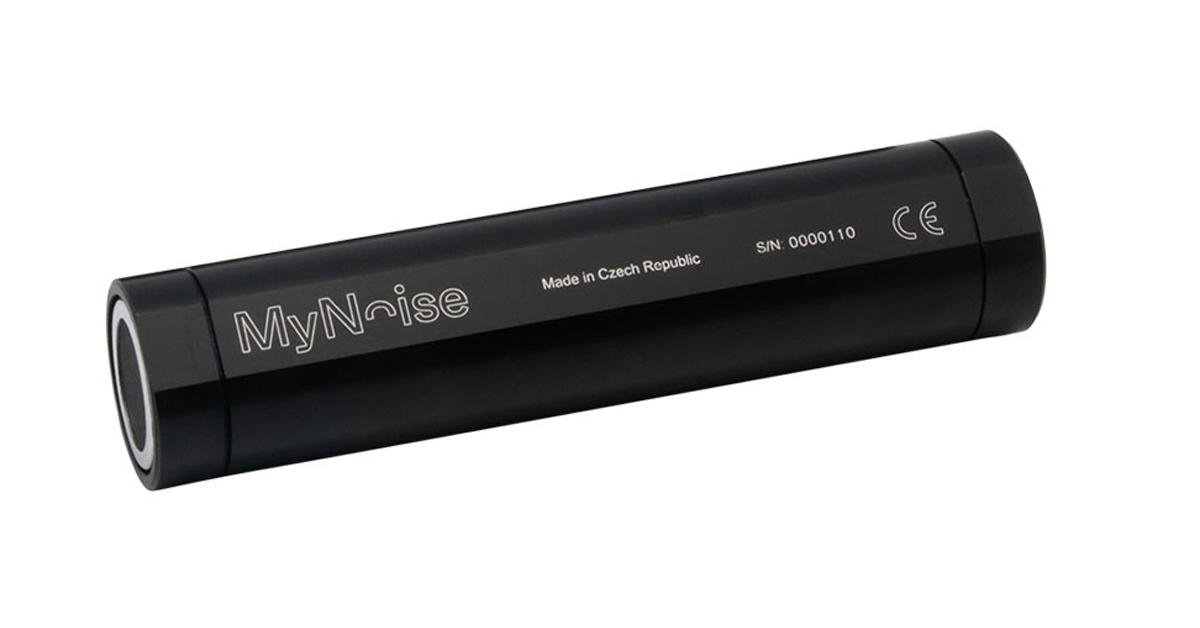
MYNOISE AUDIO MIXER REVIEW

WHAT IS A WIRELESS DISTRIBUTION SYSTEM?

POE VS. POE+ VS. POE++: CHOOSING THE RIGHT INDUSTRIAL ETHERNET SWITCH FOR YOU
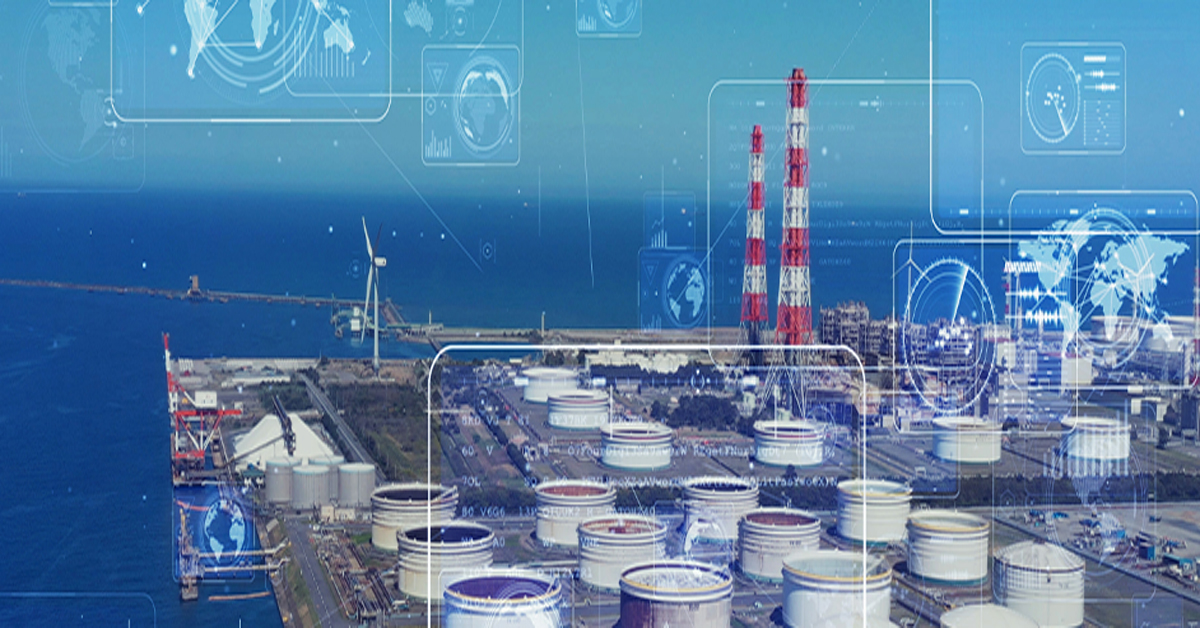
INDUSTRY-LEADING INDUSTRIAL ETHERNET SWITCHES

UNDERSTANDING WHAT THE INDUSTRIAL INTERNET OF THINGS IS
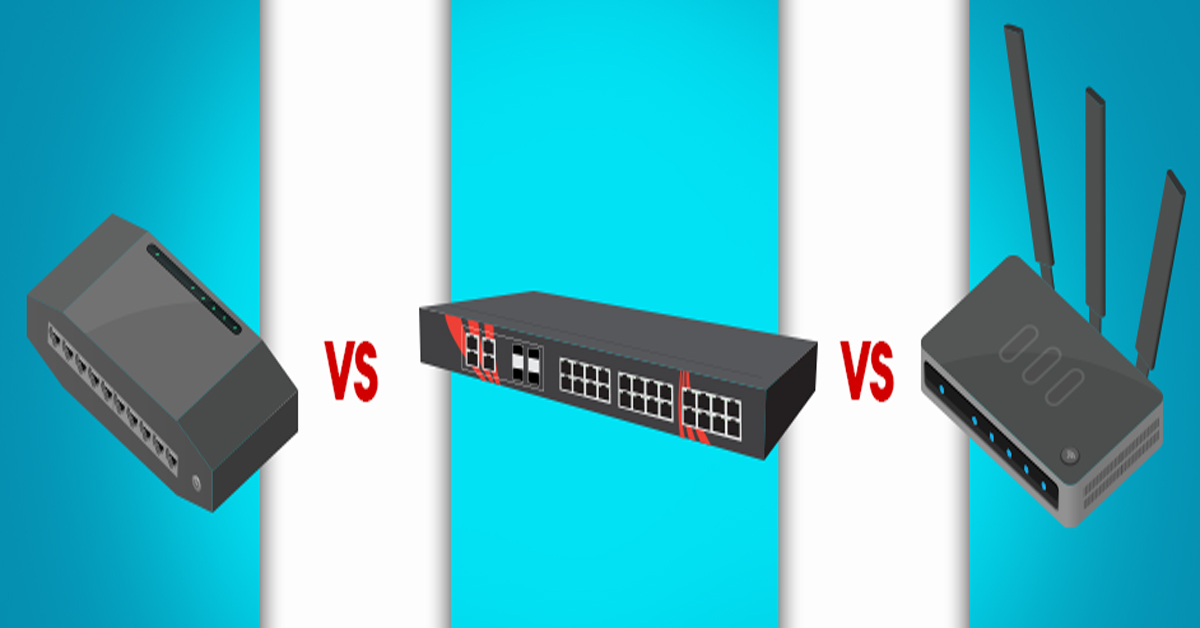
THE DIFFERENCE BETWEEN A HUB, SWITCH, & ROUTER
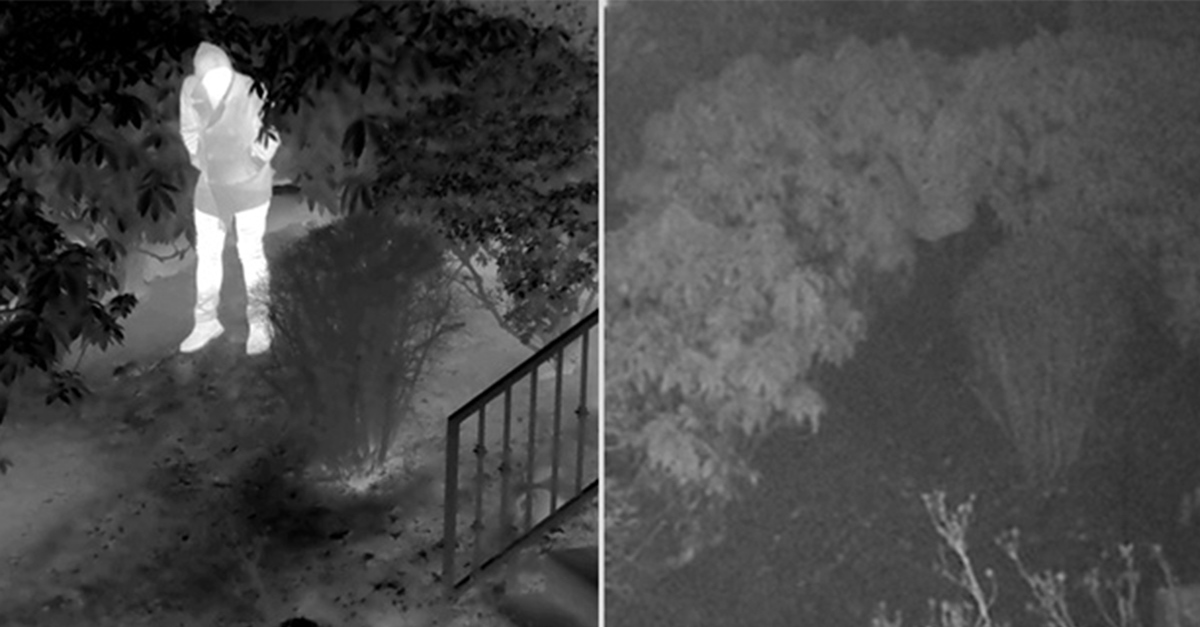
5 Benefits of Thermal Imaging Cameras
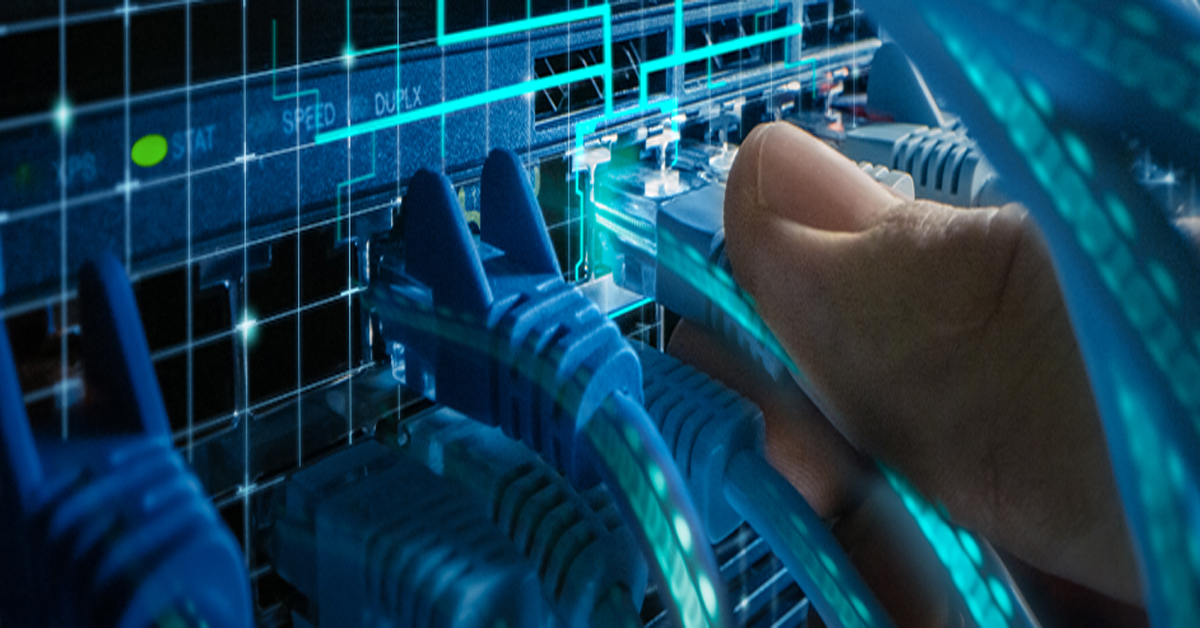
DIFFERENCE BETWEEN INDUSTRIAL ETHERNET AND REGULAR ETHERNET

INDUSTRIAL NETWORKING EQUIPMENT USED FOR AUTONOMOUS VEHICLES

CYBERSECURITY: PROTECTING INDUSTRIAL CONTROL SYSTEMS
HOW INDUSTRIAL NETWORKING CAN PROVIDE SECURITY FROM DRONES
.webp)
Thermal Cameras Reveal How to Keep Your Home Cool During a Heat Wave
FLıR ONE PRO
.png)
Unmatched Maritime Awareness with Cooled Thermal Imaging
.png)
What Is the Right Handheld Thermal Camera for You?
.png)
Camera Resolution and Range
.png)
Special Applications for Marine Cameras
.png)
What’s The Difference between Thermal Imaging and Night Vision?
.png)
Can Thermal Imaging See Through Fog and Rain?
Which Cx-Series Camera Is Right for You?
.png)
What is MSX®?
Five Reasons Maritime First Responders Need Thermal Imaging
.png)
3 Distinguishing Features of Superior Thermal Cameras
.png)
Determine Which Visible and Thermal Security Cameras You Need
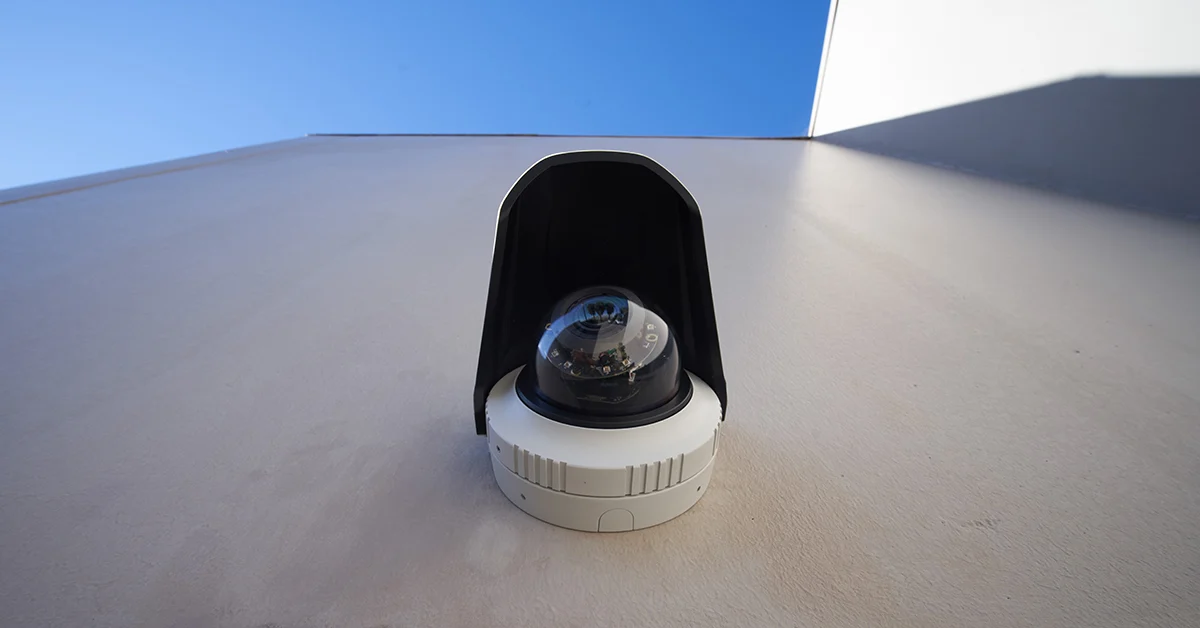
Bullet vs. PTZ vs. Dome: Which Security Camera Is Right for You?
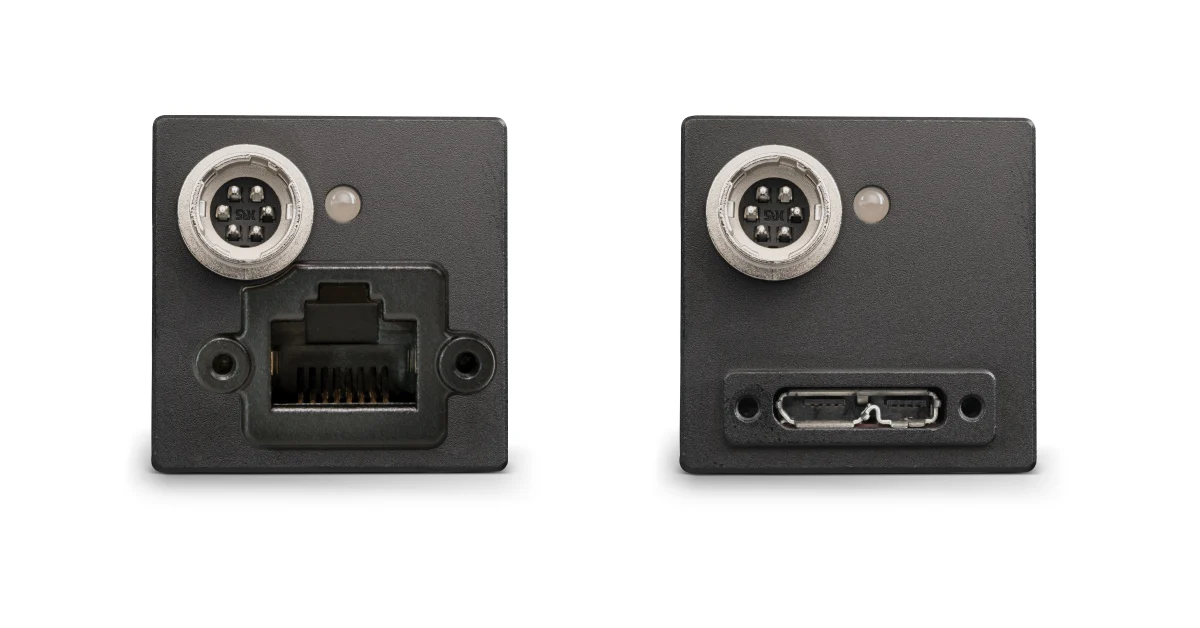
Interfaces for Machine Vision
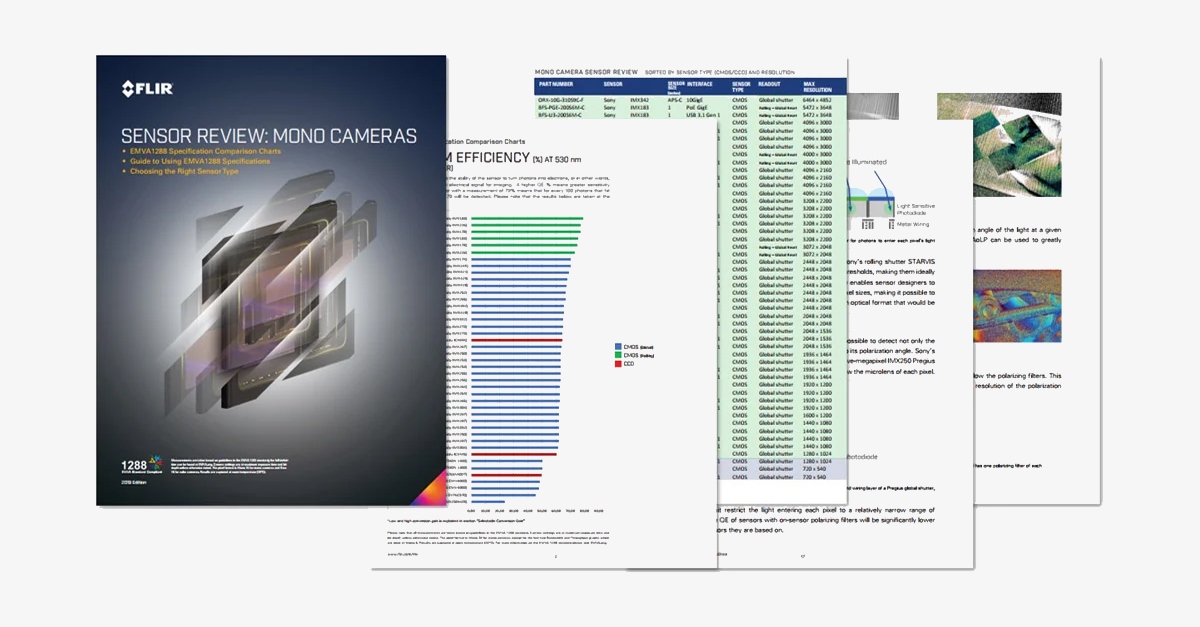
Machine Vision Sensor Review
.png)
Teledyne FLIR, the Industry Leader, Launches Boson +, a Long-Wave Infrared Thermal Imager Module with an Accuracy of Less Than 20 mK
.png)
Whitepaper: IP-Based Security Convergence
.png)
3 Technologies Transforming Safe Cities into Smart Cities
.png)
Insights from the Field: Ensuring Workplace Safety Using Thermal Camera Screening for Entry Control

Thermal Night Vision as a Force Multiplier
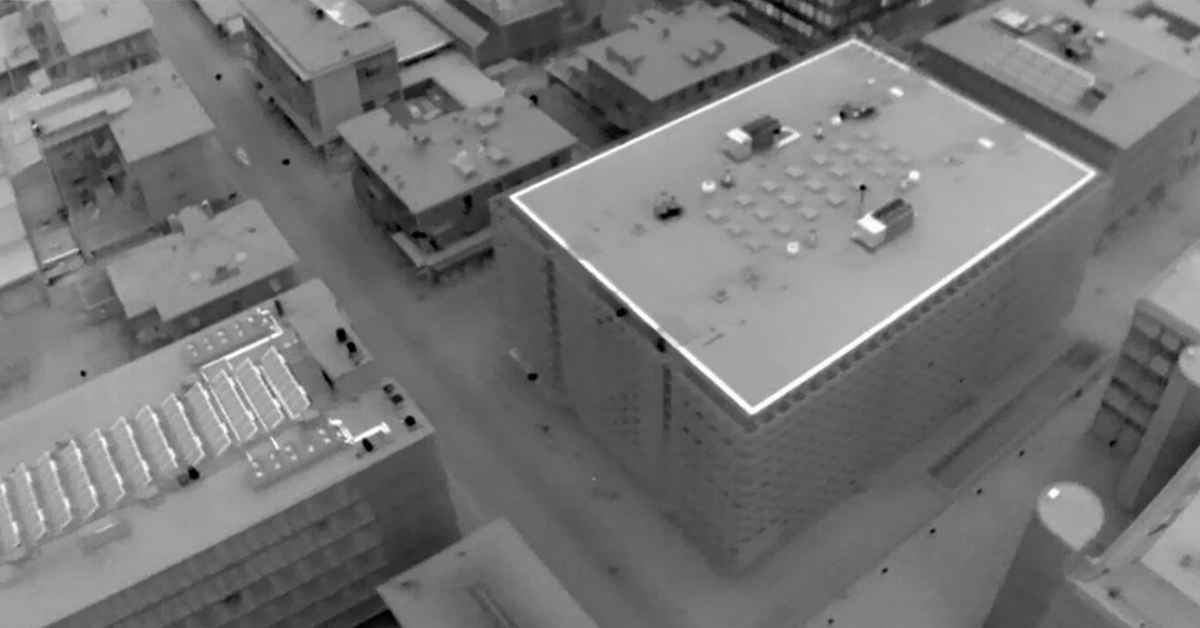
Can Thermal Imaging See Through Walls? And Other Common Questions
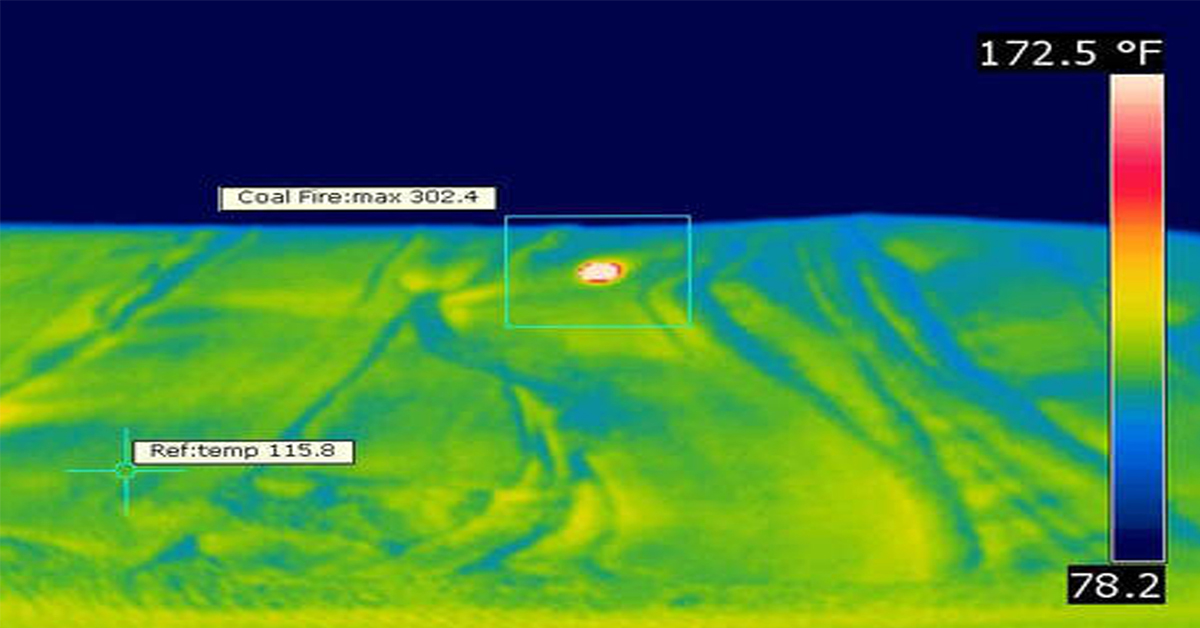
Application Spotlight: Early Fire Detection for Rapid Heat Generation
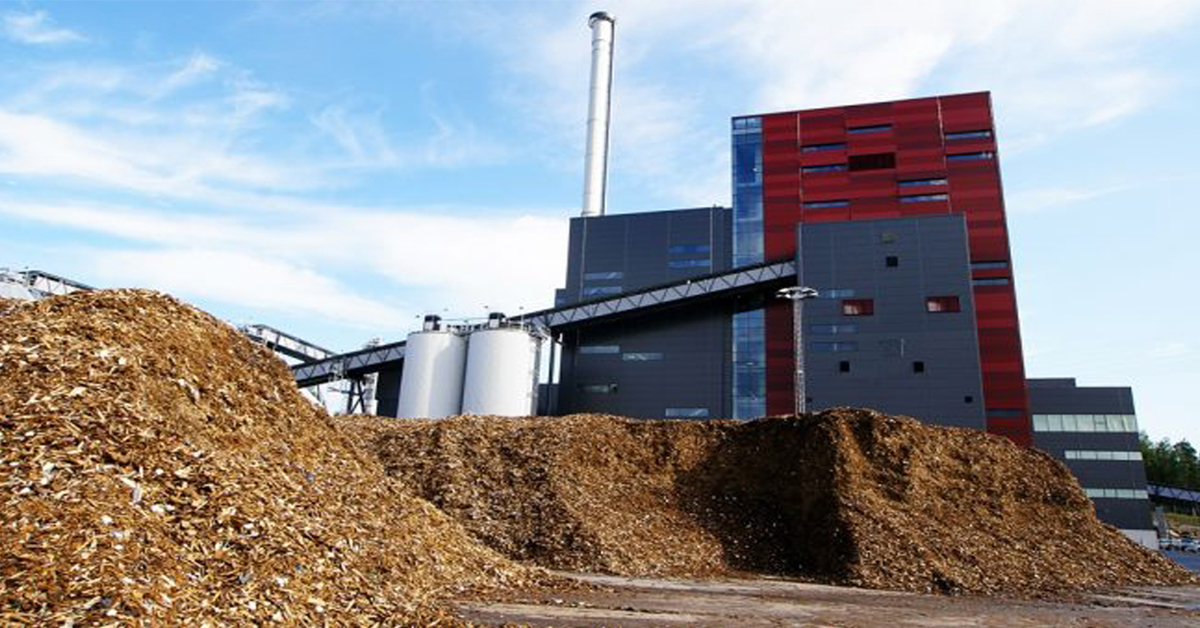
Protect Personnel and Equipment by Detecting Early Signs of Fire
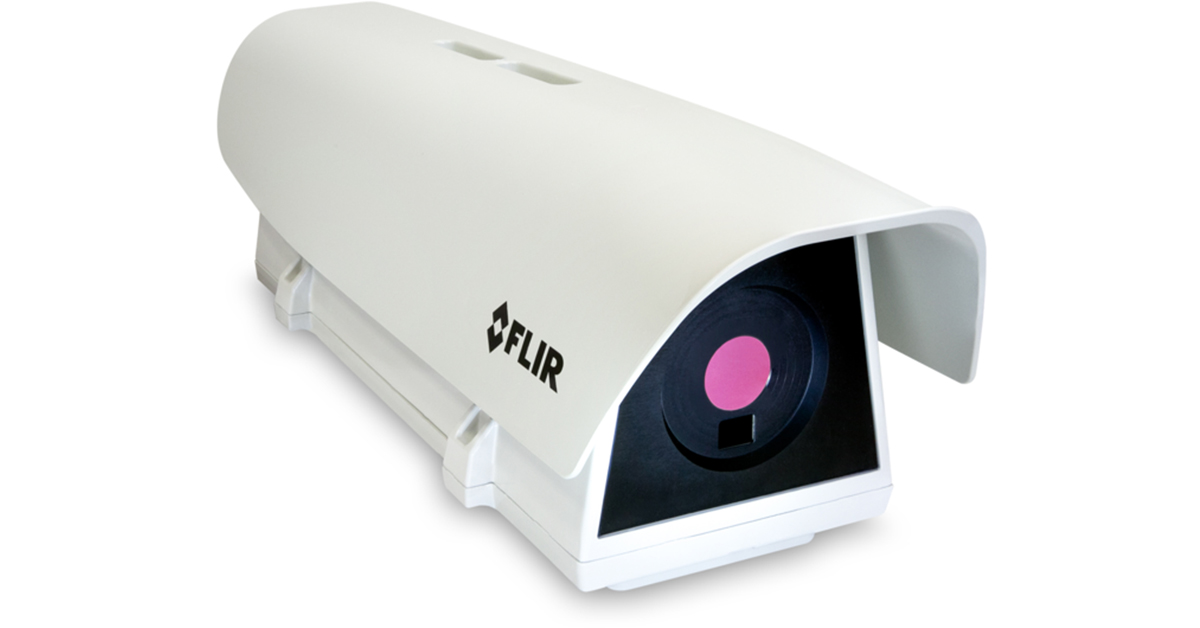
Teledyne FLIR Launches A500f/A700f Cameras for Fire Detection and Condition Monitoring
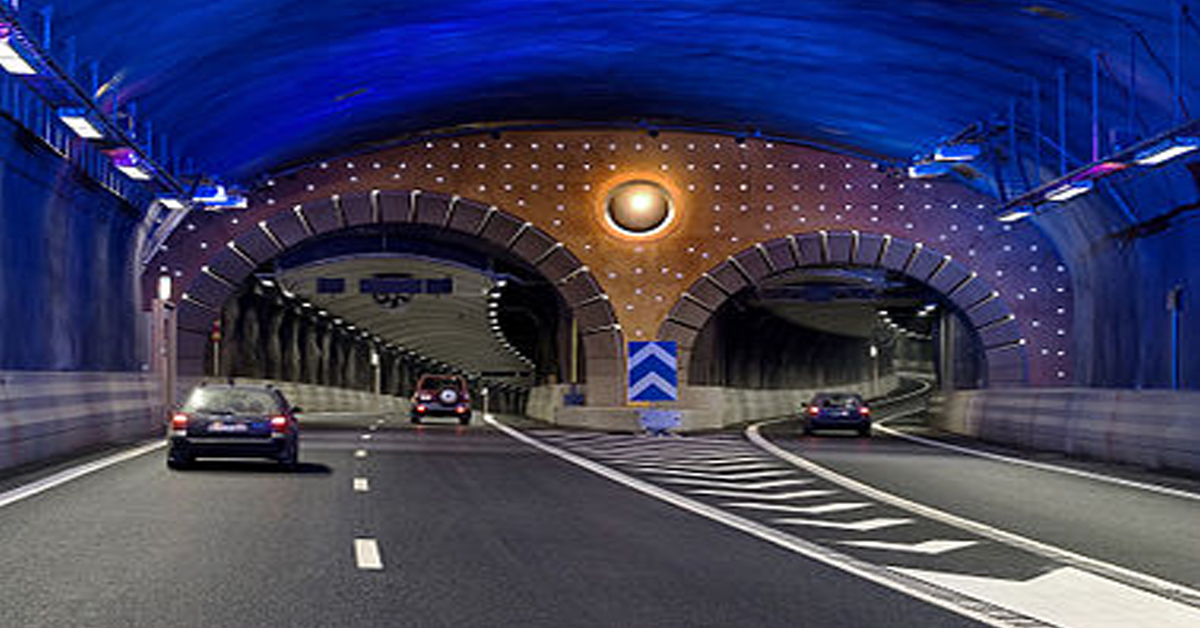
Thermal Imaging Cameras Help Guarantee Fire Safety in Tunnels
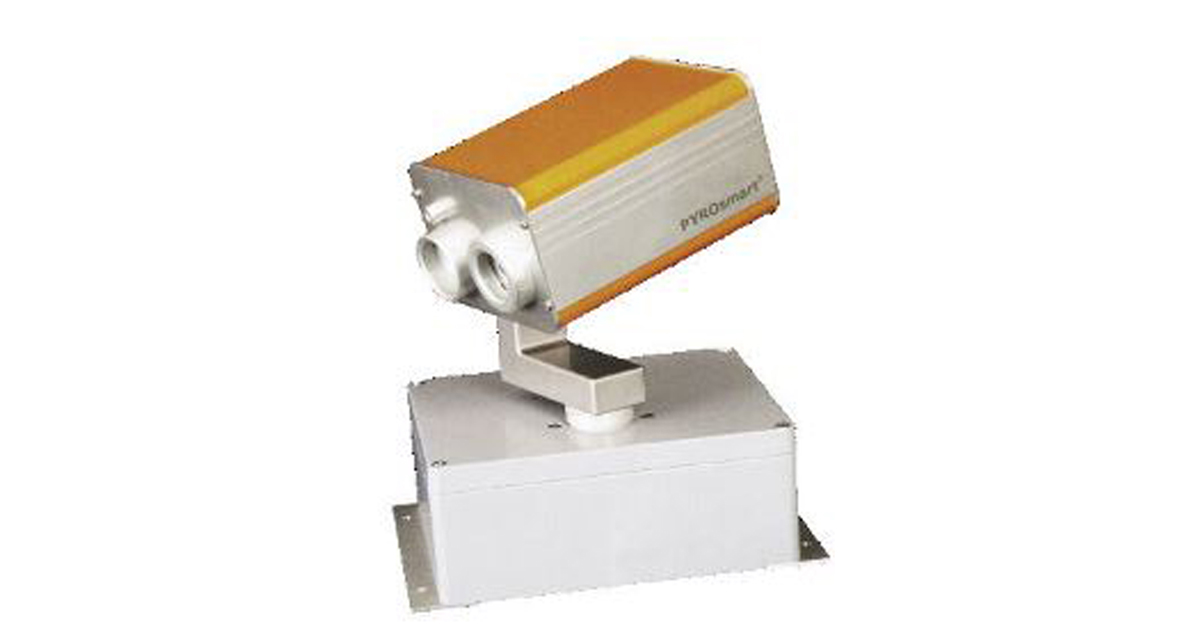
Thermal Imaging Cameras Help to Prevent Fires
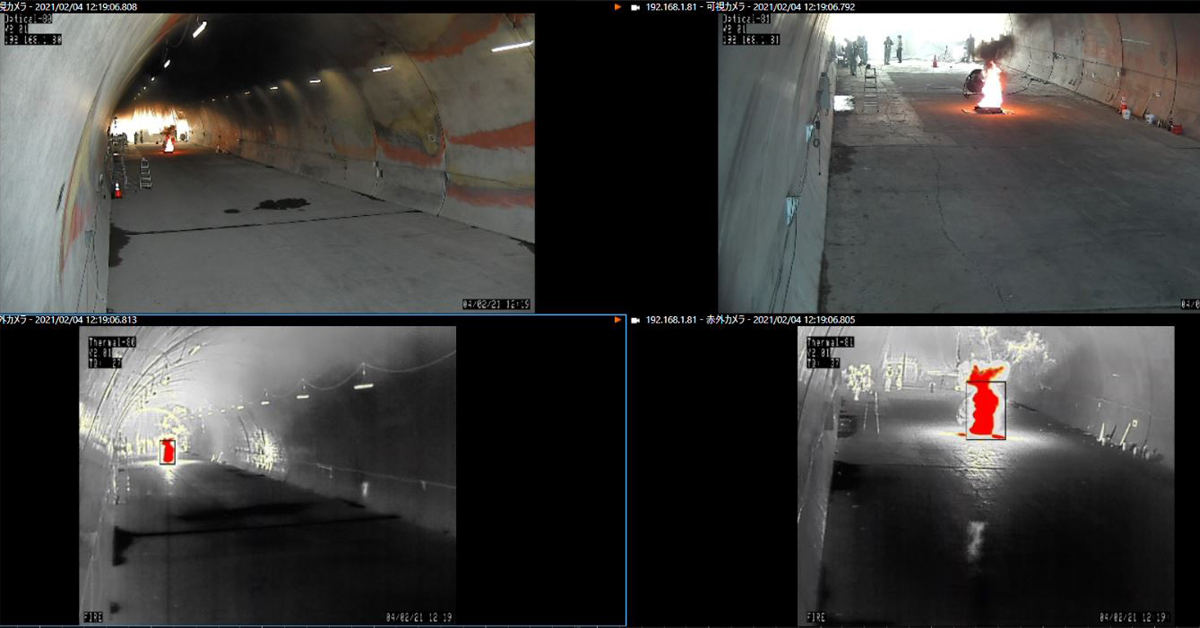
ITS-Series Dual AID Surpasses Standards for Fire Detection Systems in Japan
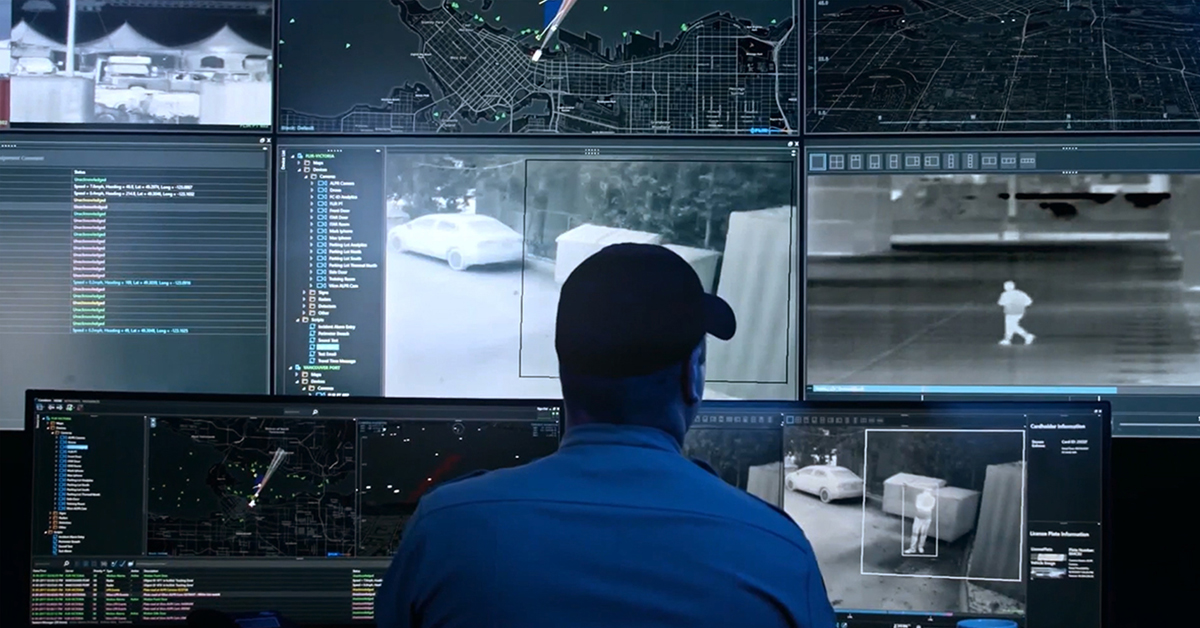
How Layering Multispectral PTZ Cameras and Radars Improve Perimeter Protection
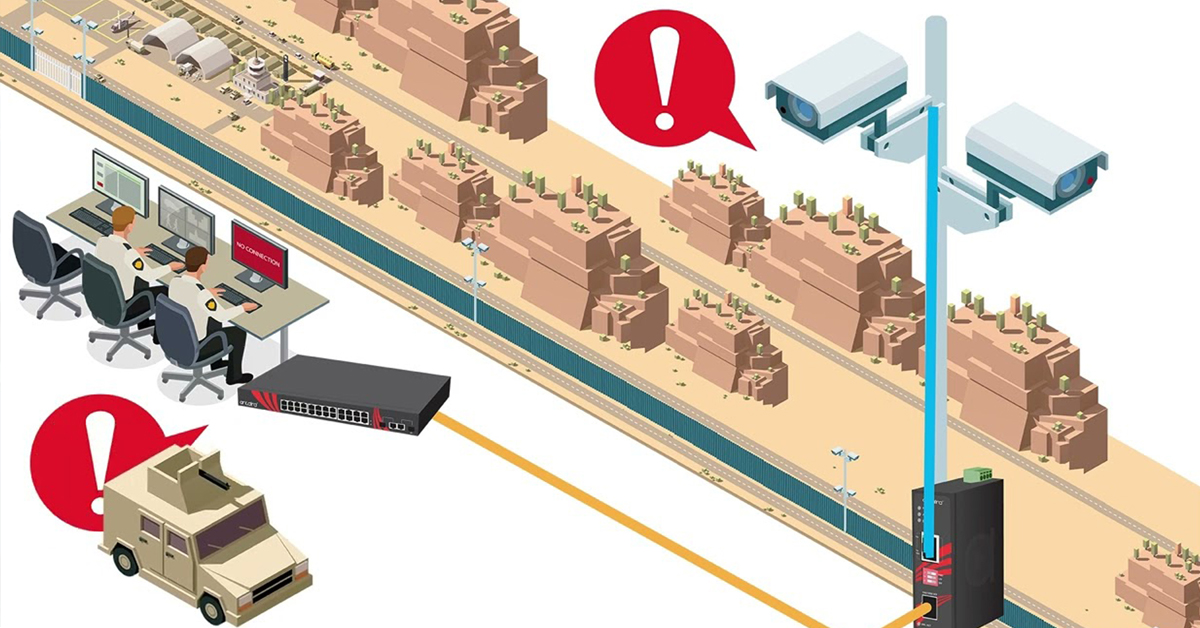
POWER REMOTE RESET TECHNOLOGY - PRRT

Why Yacht Owners are Adding Thermal Imaging Cameras to Minimise the Risk of Lithium-Ion Battery Fires?
.png)
Intelligent Transportation Systems
Best Practices Guide for Perimeter Security Applications
Protect Pedestrians, Bicyclists and More with Thermal Smart Sensors
White Paper: Application of Ground-Based Security Radar to Perimeter Systems
What is Thermal Leakage and How to Reduce Its Risks
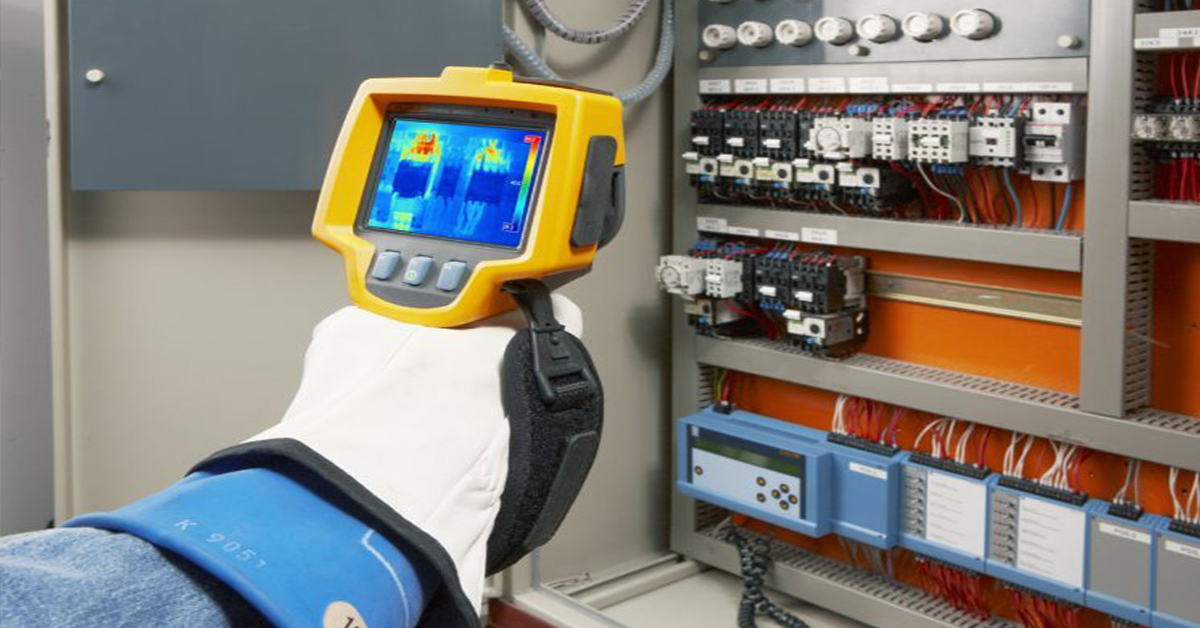
Battery Inspection Using Advanced Thermography
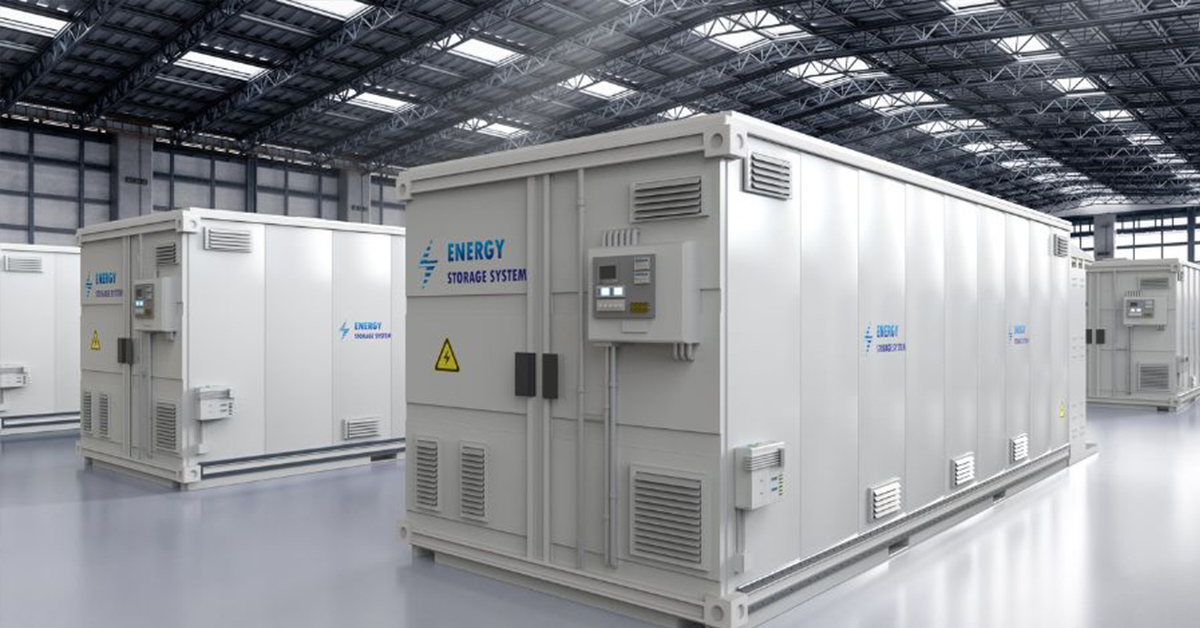
Providing ire Protection for Lithium Battery Storage
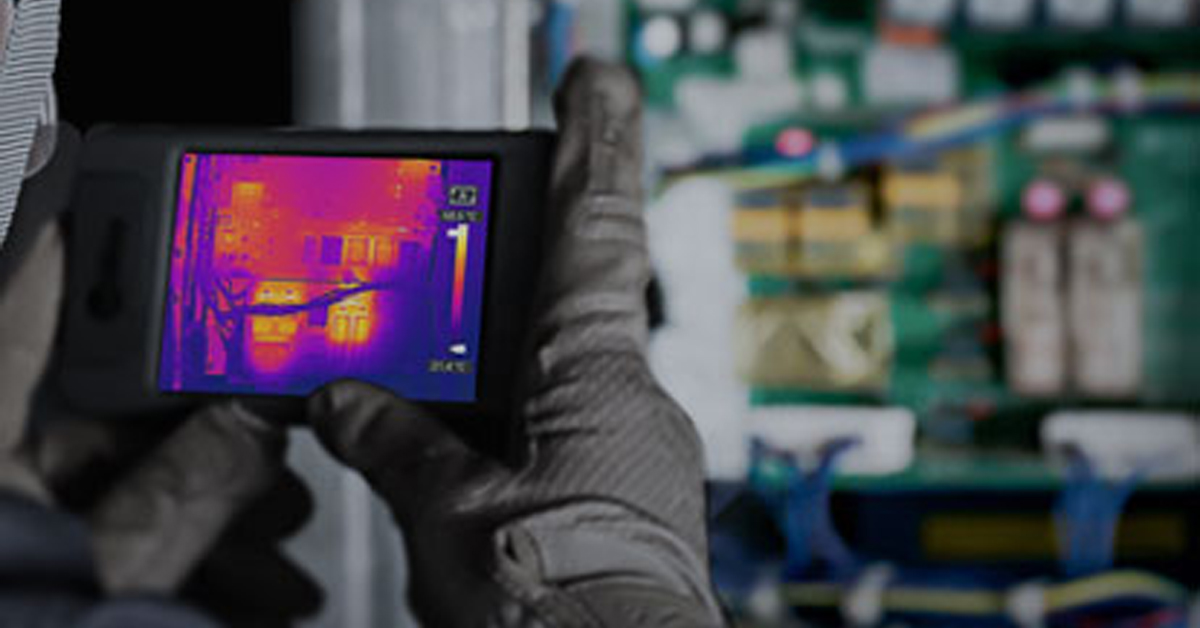
The Power of Thermal Imaging
.png)
Why Panel PCs Are Perfect For Industrial Applications?

Teledyne DALSA
.png)
Advantages of Virtual Barrier Video Analytics for Perimeter Security Systems
.png)
.png)
NASA Takes the Teledyne FLIR Boson Thermal Camera Module Out of this World
.png)
Port Security Enhancement: DP World Yarımca's Trust in FLIR Security Solutions for Effective and Safe Port Operations
.png)
The Importance of Thermal Sensitivity (NETD) for Detection Accuracy
.png)
Bosphorus Boat Show 2025: The Meeting Point of the Maritime World
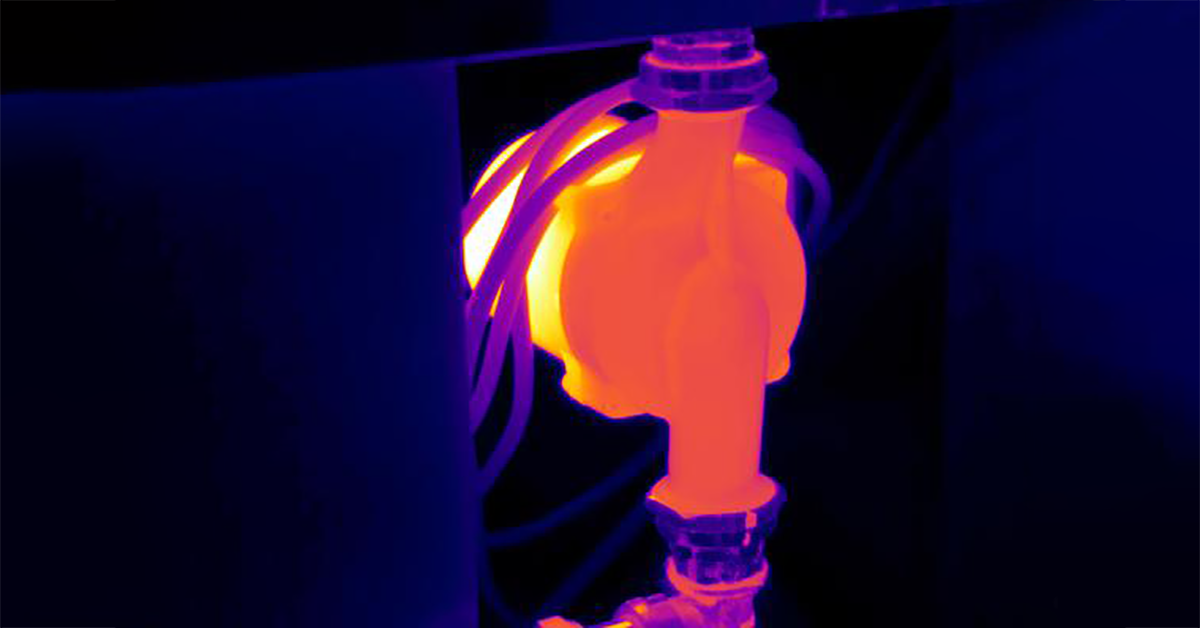
Application Spotlight: Critical Asset Monitoring for Thermal Conditions
.png)
Thermal Imaging for Marine Firefighting
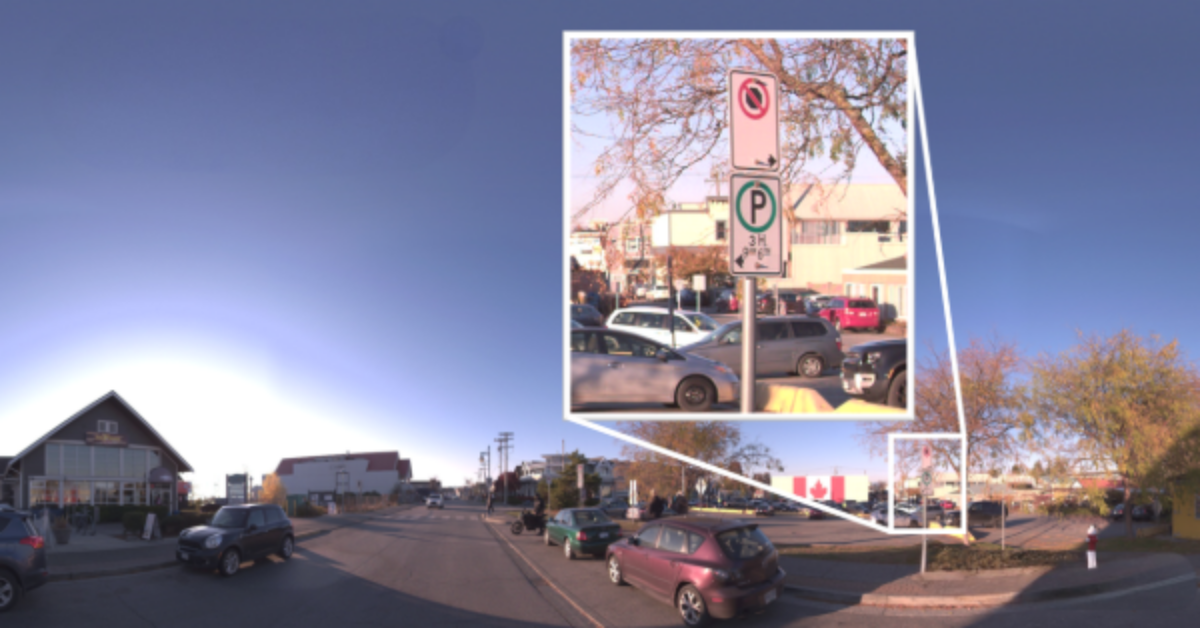
Imaging in Mobile Mapping
.png)
Using Thermal Imaging for Oil Spill Detection
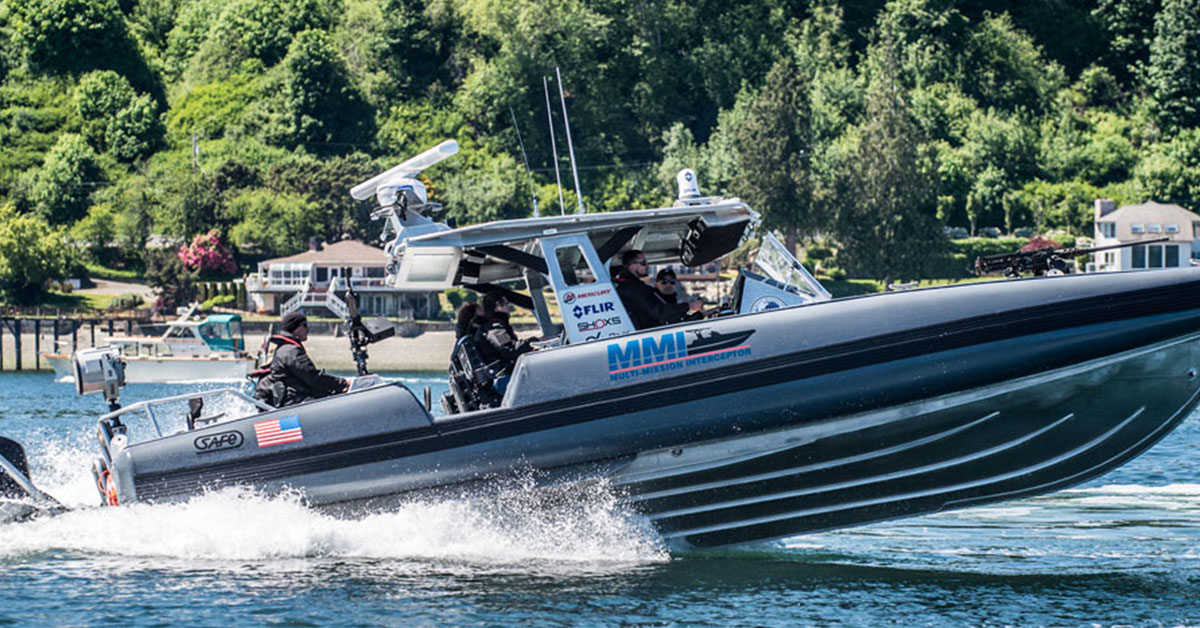
Five Reasons Maritime First Responders Need Thermal Imaging
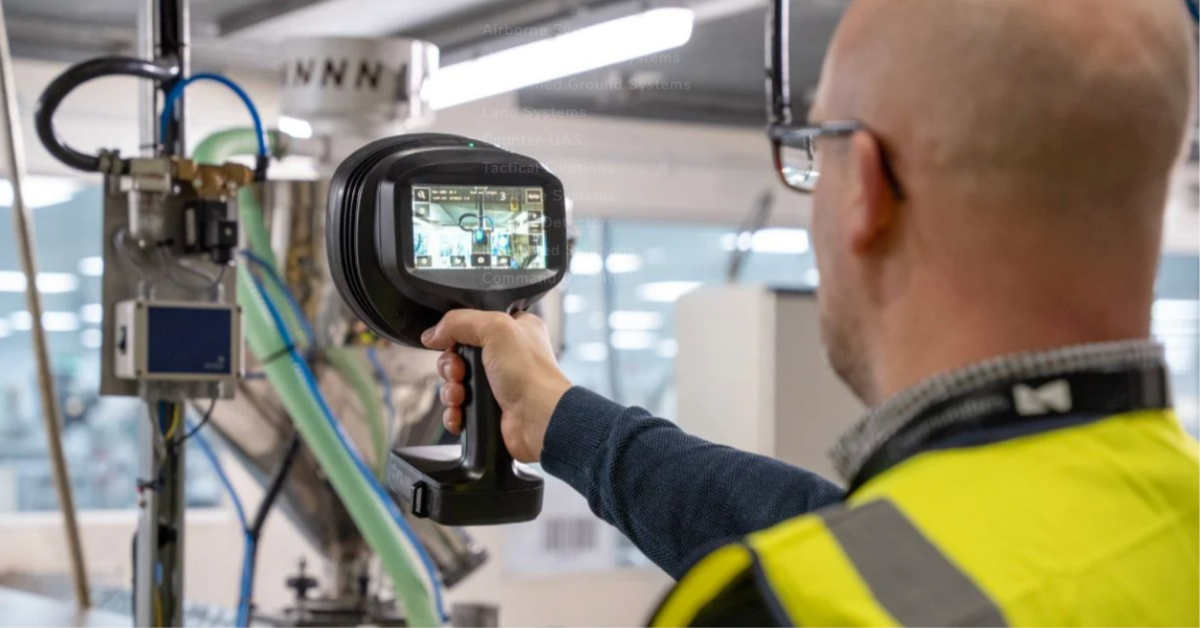
Case Study: Tackling Compressed Air Leaks in Automotive Parts Manufacturing with Acoustic Imaging
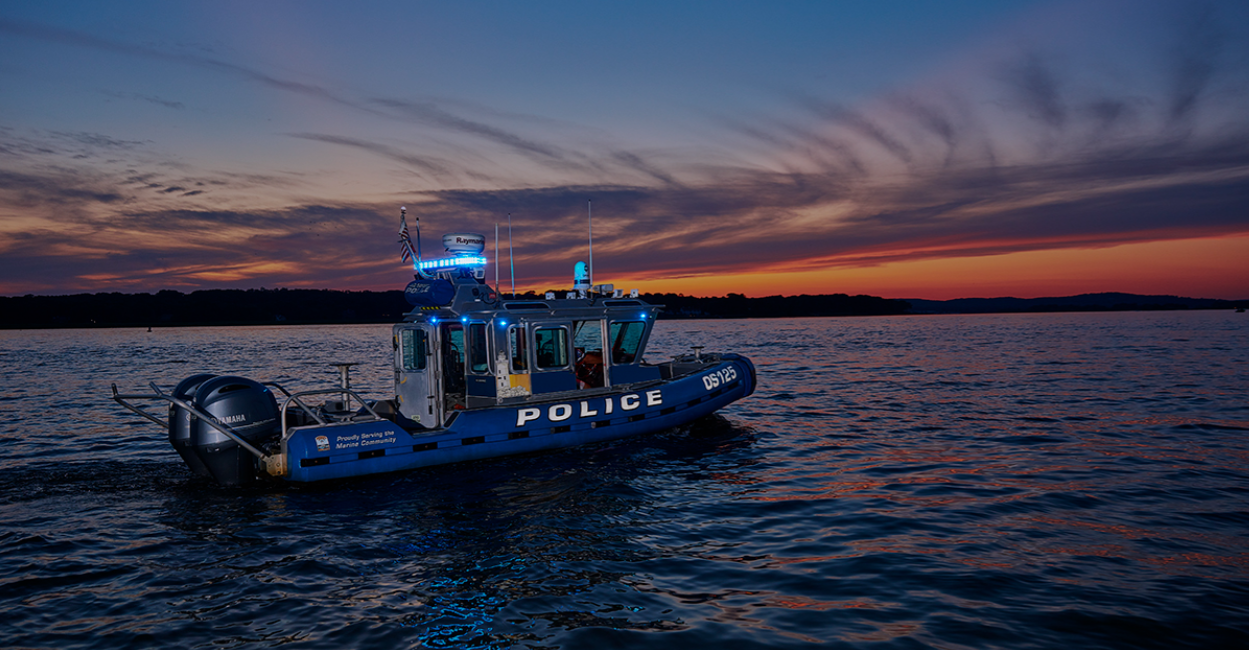
Thermal Night Vision as a Force Multiplier
.png)
Line Scan Contact Image Sensor - AxCIS
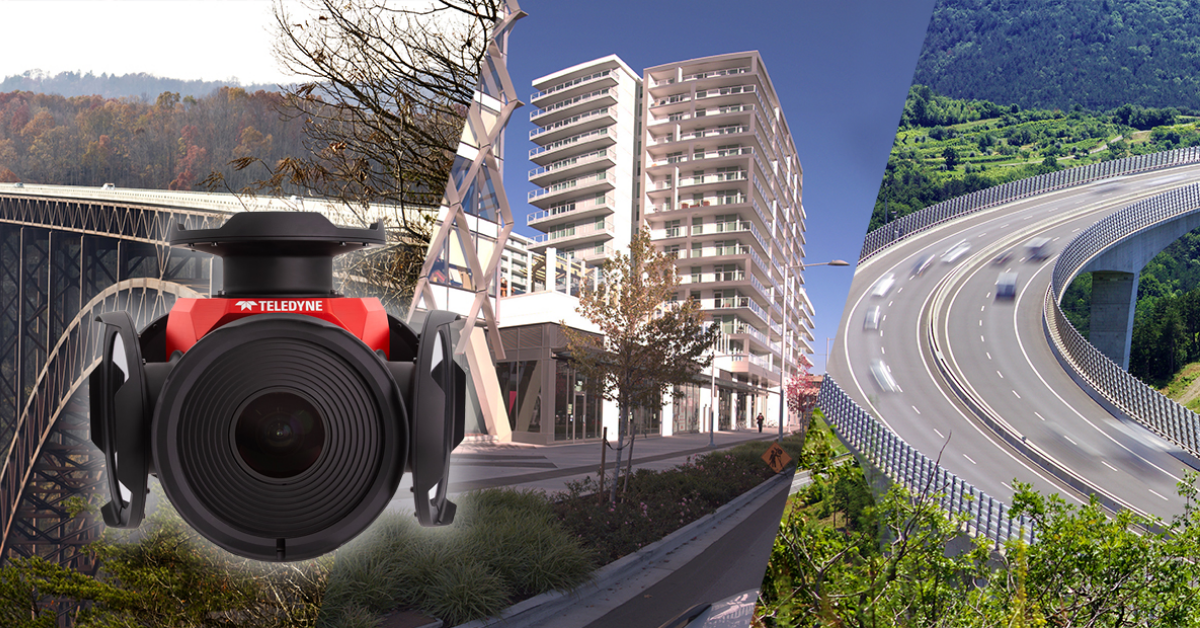
Beyond Resolution: What Really Makes a Camera System Work for Mobile Mapping
.png)
Multispectral Marine Cameras for USV Applications
.png)
Stabilizing FLIR Cameras for Smooth Viewing in Rough Waters
 (1).png)
Enhancing Maritime Safety with Video Tracking & Radar Integration
